
According to WHO, aging is the primary risk factor...
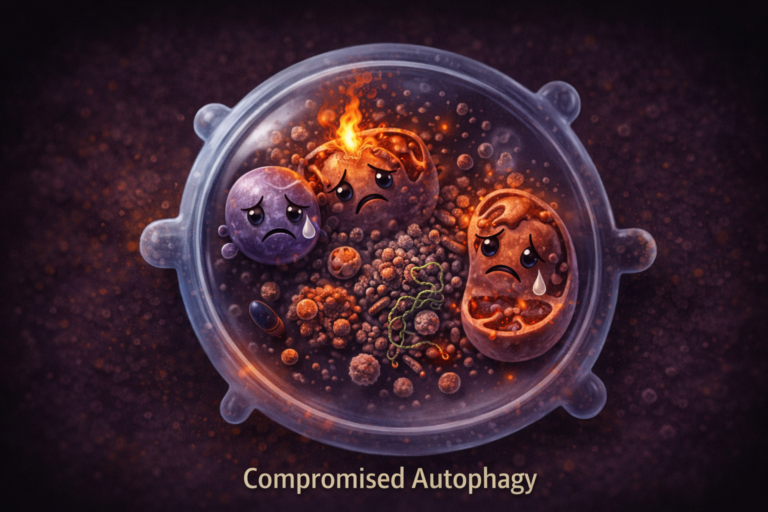
The failure of the cellular “recycling” system to clear out damaged organelles and debris, leading to cellular toxicity and dysfunction.
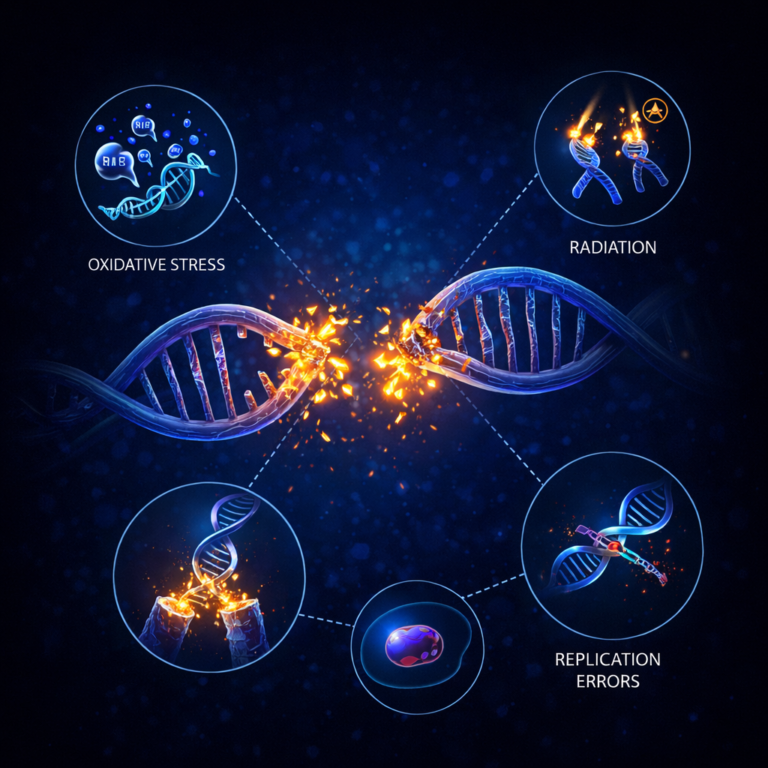
This refers to the accumulation of DNA damage over time, which can lead to mutations and cellular dysfunction.
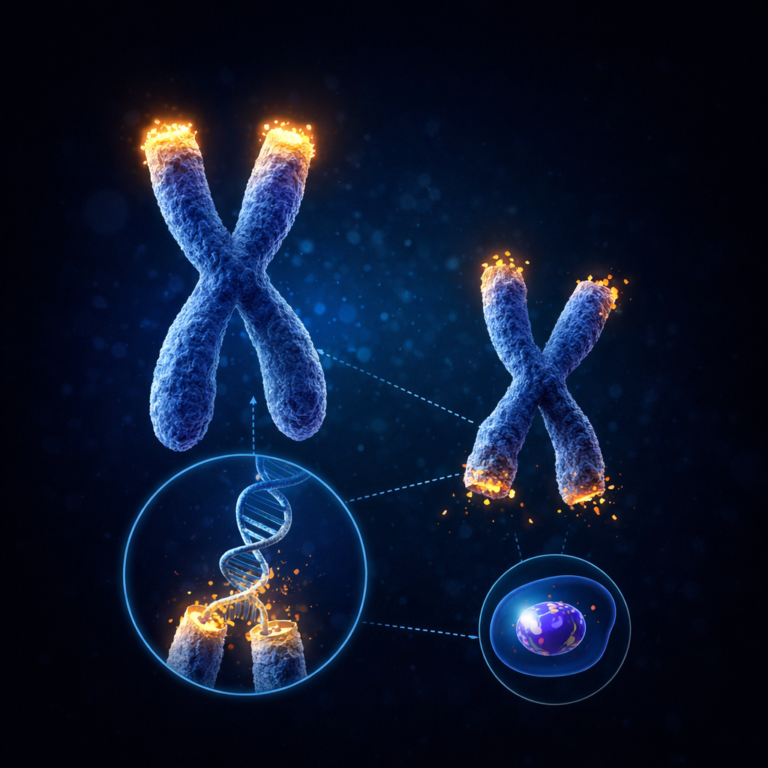
The progressive shortening of the protective caps at the ends of chromosomes, leading to cellular senescence and a loss of…
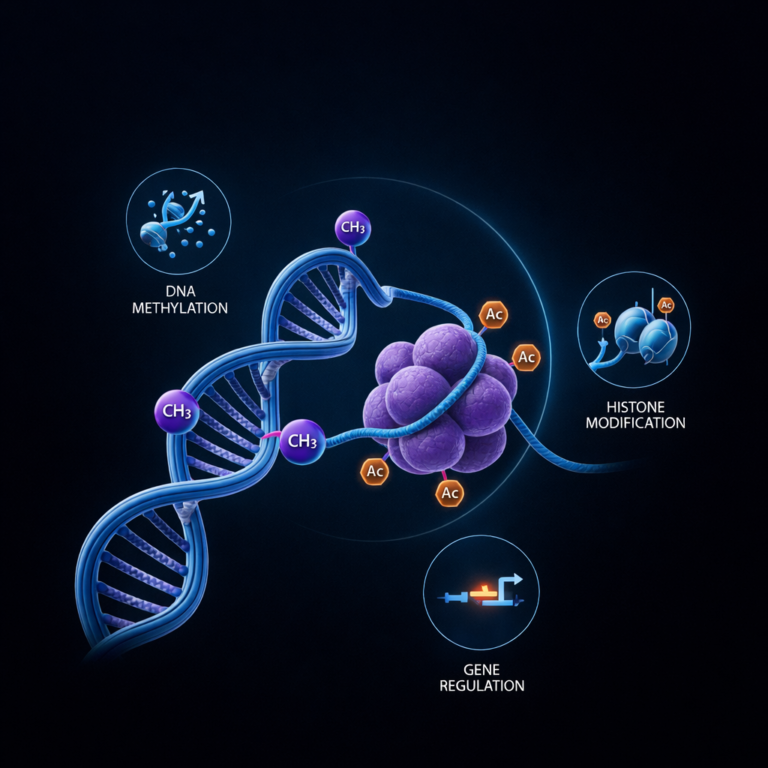
Changes in gene expression patterns that do not involve DNA sequence alterations, impacting how cells respond to their environment and…

The failure of the body’s mechanisms to maintain the correct folding and degradation of proteins, leading to the accumulation of…
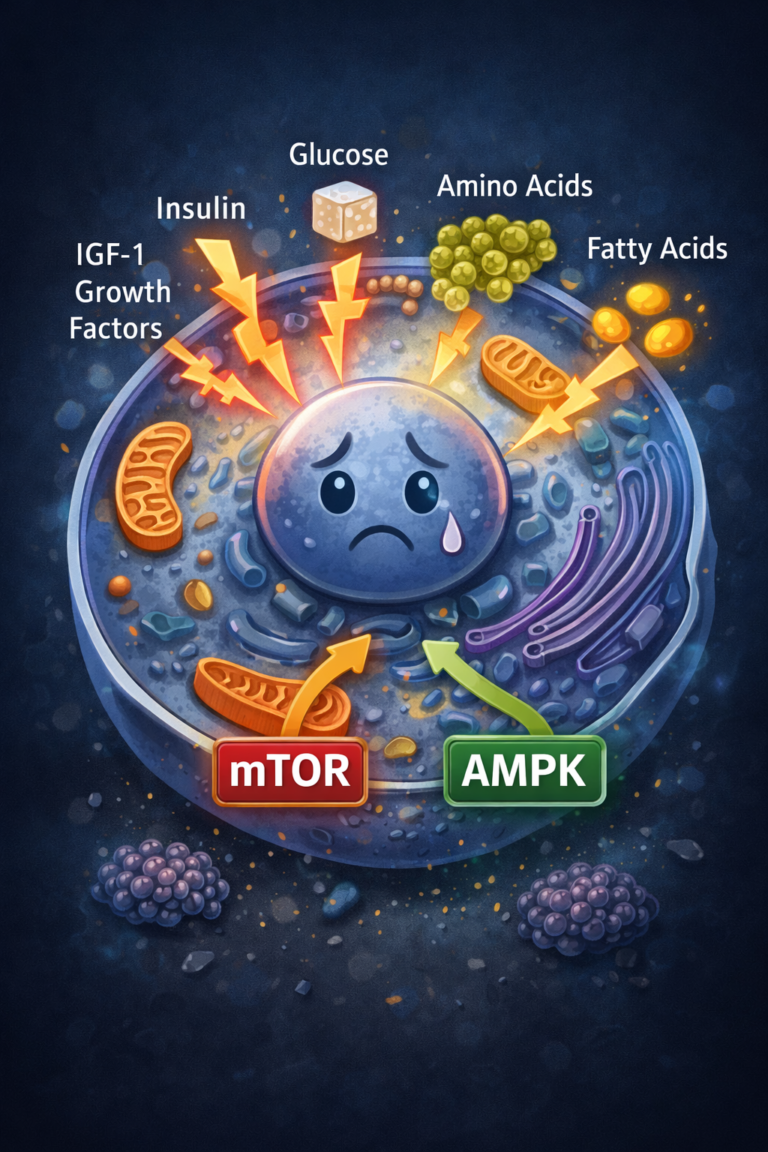
The impairment of metabolic pathways (such as mTOR and insulin signaling) that regulate how cells respond to energy availability.

The decline in the efficiency of cellular powerhouses, resulting in increased oxidative stress and decreased ATP production.

The state in which damaged cells stop dividing but remain metabolically active, secreting pro-inflammatory factors that damage surrounding tissues.

The depletion of the body’s pool of progenitor cells, limiting the ability of tissues to repair and regenerate after injury…
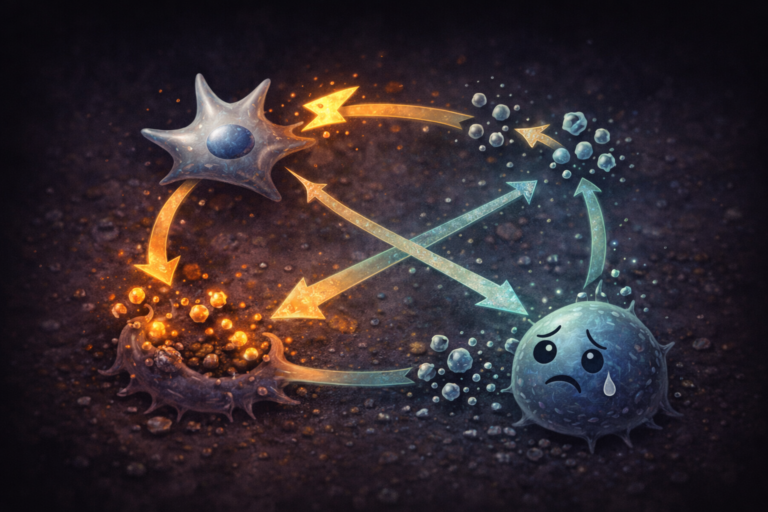
The disruption of signaling between cells, leading to systemic malfunctions and an increase in chronic inflammatory states.
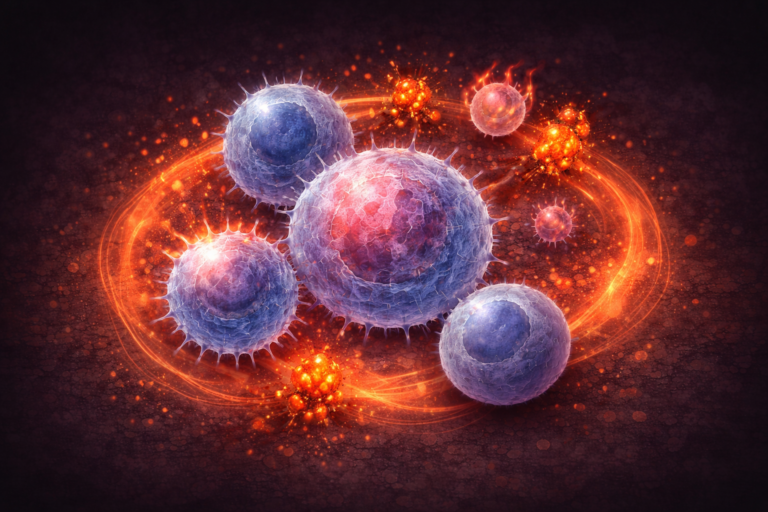
A low-grade, sterile, and persistent inflammatory state that accelerates the aging process and the development of degenerative diseases.

The imbalance of microbial communities in the gut and other organs, which impacts metabolic health, immunity, and the gut-brain axis.